What Happens When Your Crawl Space Warranty Runs Out
Introduction
What Happens When Your Crawl Space Warranty Runs Out
A REAL LOOK AT WHAT WE FOUND IN FAIRVIEW
I was under a house in Fairview, Tennessee this week, and what I found tells a story I hear too often.
A dehumidifier sitting on the ground. No condensate pump. No risers. Half the crawl space flooded with water. This system was installed by a big corporate company years ago. They sold the homeowner a five-year warranty, and it probably sounded like a solid deal at the time.
But here's what nobody tells you when you sign that contract. What happens after those five years are up? What happens if the company that installed your system isn't even around anymore?
This homeowner found out the hard way. And it's exactly why I think every homeowner considering crawl space work needs to understand what a warranty actually promises, and what it doesn't.
What a Five-Year Warranty Actually Means
Five years sounds like a long time. And a warranty is one of those things that makes people feel safe signing on the dotted line.
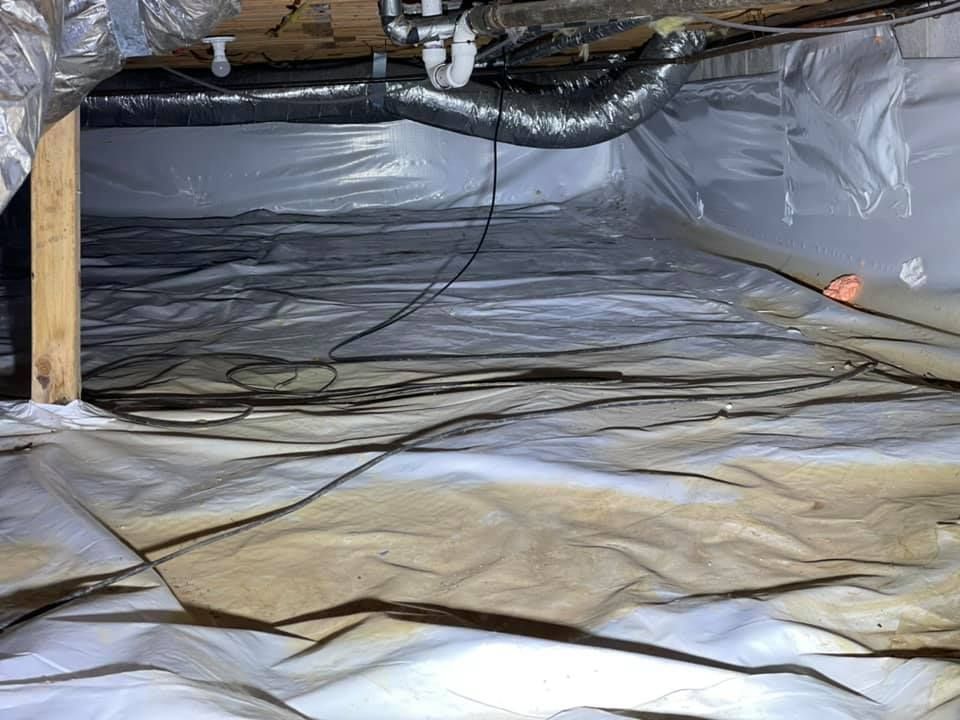
But here's the problem. Once that warranty runs out, you're on your own, unless you're willing to pay for another plan. That's exactly what happened to this homeowner in Fairview. Their dehumidifier failed, and when they reached out to the company, they were told the warranty had expired. If they wanted help, they'd have to pay for a brand new service agreement.
To make things worse, the original company that installed the system had already gone out of business. So even if the homeowner wanted to work with them again, that wasn't an option.
This is more common than people realize. A company installs your system, collects payment, and years later, they're gone. Meanwhile, you're the one left dealing with a crawl space full of water and no one to call.
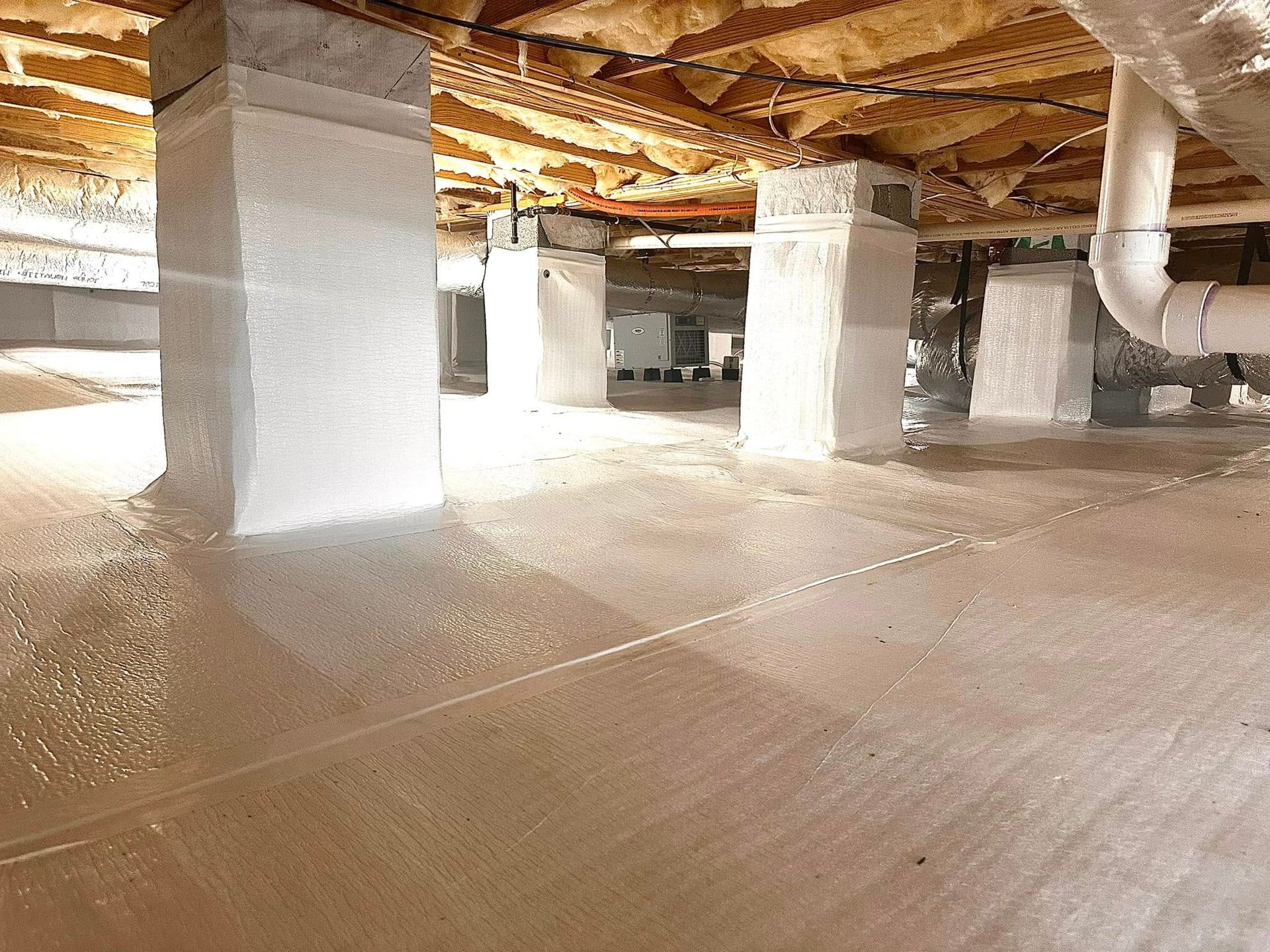
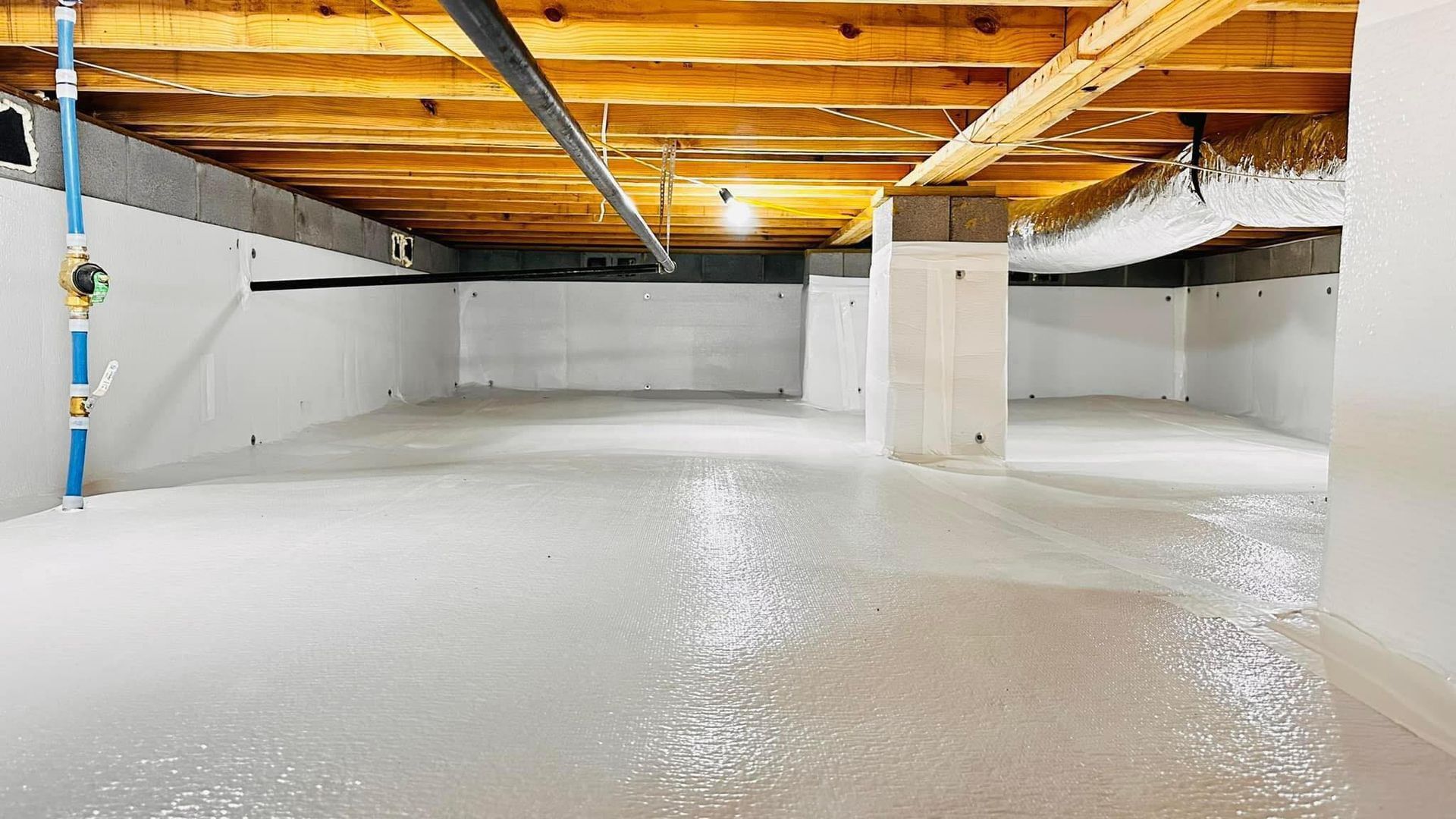
What We Found Under the House
When I got under this house, it didn't take long to see how bad things had gotten.
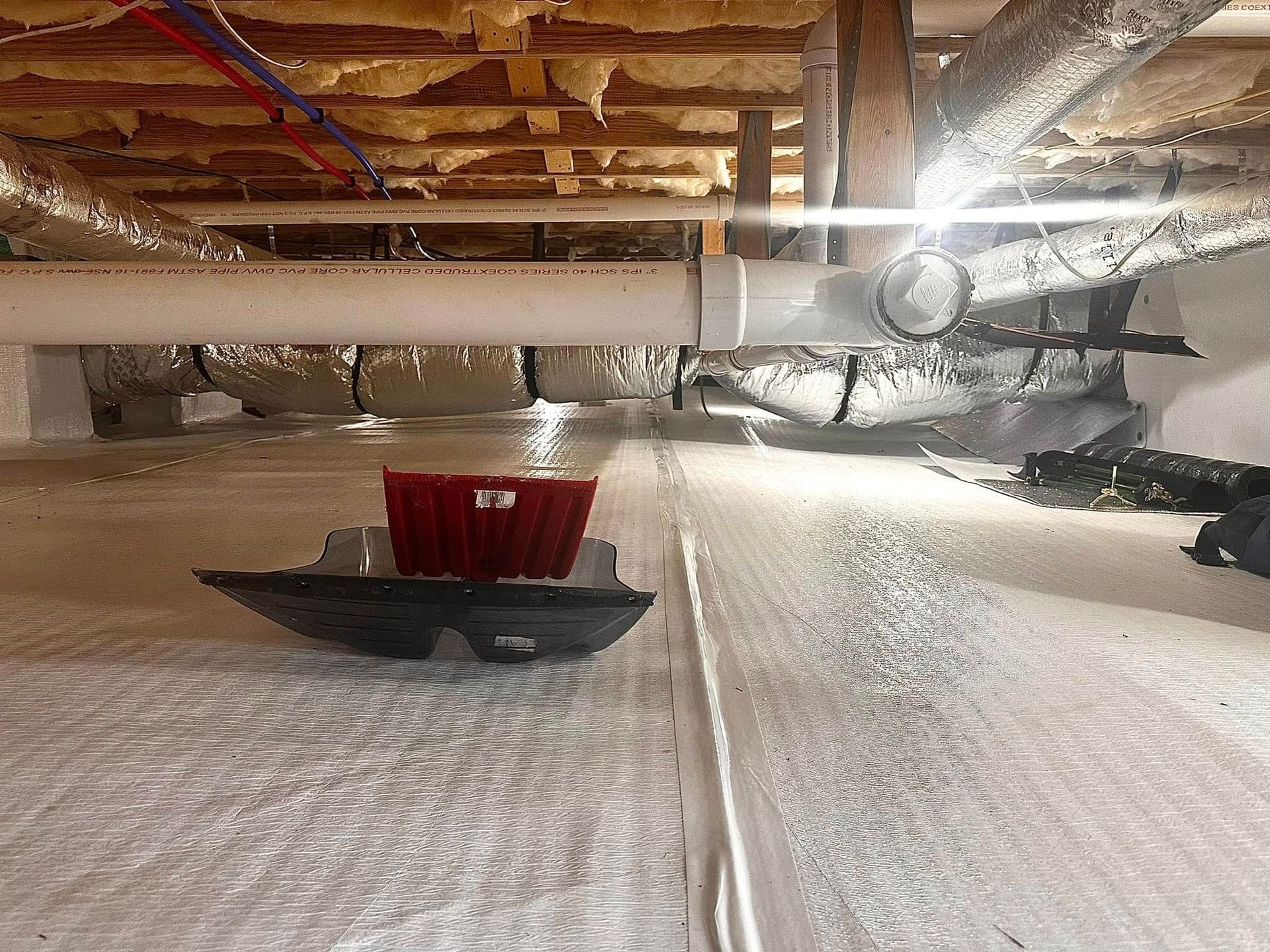
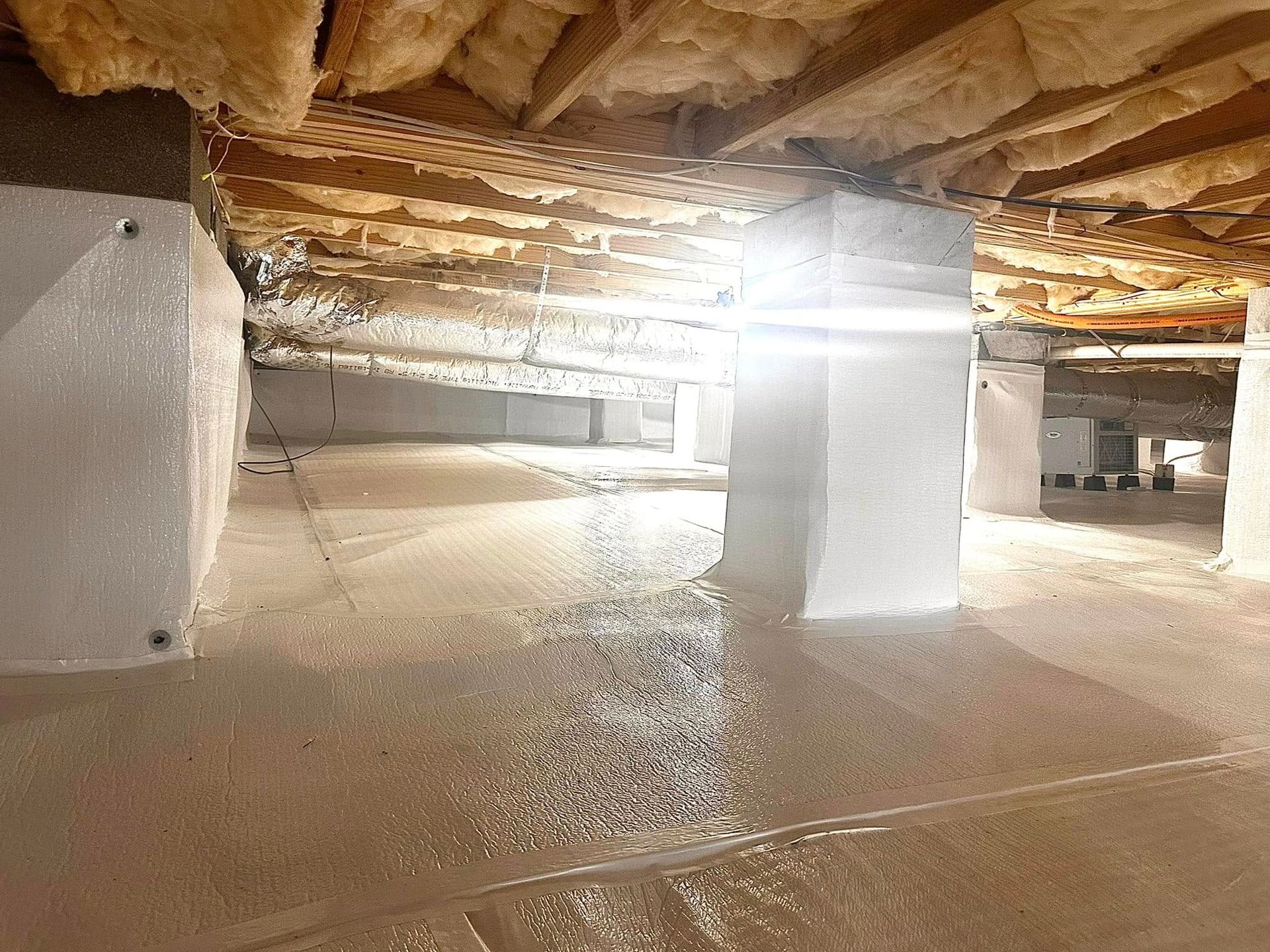
The dehumidifier was just sitting on the ground. No condensate pump to move the water out. No risers to keep it elevated and protected. That's not how these units are supposed to be installed, and it showed. Water had nowhere to go, so it just sat there.
The drainage system was another problem. There was only a small section near the entrance that had any drainage at all. The rest of the crawl space? Completely flooded. No system in place to move that water out from under the house.
There was even a triple battery backup pump installed, one of those systems that costs around four thousand dollars. It wasn't working either. So the homeowner paid for a high-end backup system that ended up doing nothing to protect their home.
This wasn't a small oversight. This was a crawl space that never had the basics done right in the first place.
The Rodent Problem Nobody Talked About
Water wasn't the only issue under this house.
I found rodent droppings all over the crawl space. This system was never rodent-proofed to begin with, which means mice and other pests had free access to come and go as they pleased. Combine that with standing water and high humidity, and you've basically created the perfect environment for rodents to move in and stay a while.
Most crawl space companies focus on moisture and insulation. They don't think about what happens when you leave gaps and openings that pests can use to get inside. But rodent-proofing matters just as much as fixing the water problem. If you don't address both, you're only solving half the issue.
This is one of those things that gets overlooked constantly, and homeowners usually don't find out until it's a real problem, just like this one.
The Camel Cricket Clue
While I was down there, I spotted a camel cricket. If you've never heard of one, that's okay. Most people haven't.
Camel crickets only show up in crawl spaces with high humidity. They need that moist environment to survive. So when I see one, it's basically confirmation of what I already suspected. This crawl space had a serious moisture problem, even in areas where you couldn't see standing water with your own eyes.
It's a small detail, but it tells a bigger story. When you understand what different signs mean, you can catch problems faster and understand just how deep they go. A homeowner walking through their crawl space might not think twice about a random bug. But for someone who's spent years doing this work, it's a clear signal that something's wrong.
Why Warranties Aren't Enough
A warranty can feel like a safety net. But it only protects you for as long as the company sticks around and as long as you're willing to keep paying for coverage.
That's the disconnect most homeowners don't realize until it's too late. You assume a five-year warranty means you're covered for five years, and after that, everything should still be working fine. But what happens when the unit fails right after that warranty ends? Or what happens when the company that installed it closes its doors?
Suddenly you're stuck. You paid for a service, you trusted the process, and now you're the one left holding the bag. That's not protection. That's a countdown clock with your name on it.
A warranty should be part of the deal, not the whole deal. What matters more is who's actually going to be there when something goes wrong, warranty or not.
What Homeowners Should Ask Before Signing
If you're getting quotes for crawl space work, there are a few questions worth asking before you sign anything.
What happens after the warranty period ends? Is there an option for ongoing maintenance, or are you completely on your own? If the company goes out of business, is there any way to get support, or does your warranty become worthless overnight?
You should also ask who you'll actually be talking to if something goes wrong. Is it the owner? A random call center? Someone who's going to actually remember your job, or just another ticket in a queue?
These aren't complicated questions, but they tell you a lot about how a company operates. If they can't give you straight answers, that's usually a sign of what to expect down the road.

Ready to Get Your Crawl Space Checked?
If you're dealing with a dehumidifier that's not working, a warranty that's about to expire, or you just want a second opinion on work someone else did, reach out.
I offer free inspections for homeowners throughout Nashville and the surrounding areas, including Fairview. I do these inspections myself, so you're not dealing with a salesperson or someone reading off a script. Just an honest look at what's going on and a clear explanation of what needs to happen next.
You can call or text me directly. No pressure, no gimmicks. Just straight answers about your crawl space.